


CATNAP® PEDIATRIC NARCOLEPSY
A Registry Learning Guide
What is Narcolepsy?
Narcolepsy is a chronic neurologic condition that affects the brain. It can disrupt the brain’s ability to regulate normal sleep-wake cycles.
People with narcolepsy may feel very sleepy during the day. They may also fall asleep during normal activities, even when trying to stay awake. These symptoms can make everyday tasks more difficult.
What are the Characteristics of Narcolepsy?
Excessive sleepiness
Hallucinations
Sleep paralysis
Partial or total loss of muscle control
Narcolepsy in Children and Adolescents
Diagnosing pediatric narcolepsy can be challenging. Symptoms generally begin between the ages of 10 and 25. However, symptoms that begin before age 18 are more likely to be missed. As a result, some children may not receive a narcolepsy diagnosis until adulthood.
Better awareness can help with earlier recognition. This includes awareness among parents, school professionals, children and adolescents, the general public, and pediatric healthcare providers.
Factors that can make pediatric narcolepsy difficult to diagnose include:
- Different duration of sleep in children
- Children’s difficulty verbalizing their symptoms
- Different appearance of cataplexy, a common symptom, in children
- Misinterpretation of the major symptoms by adults
- Misdiagnosis as other conditions, for example:
- Excessive tiredness often leads to the diagnosis of chronic fatigue
- Hallucinations are often mistaken for a sign of psychosis or epilepsy

A Lack of Real-World Data in Pediatric Narcolepsy to Advance Quality of Life and Medical Treatment
Narcolepsy can significantly affect many areas of a child’s life, including play, school, extracurricular activities, social relationships, and self-esteem.
However, there is limited data available to quantify and track these everyday effects throughout childhood.
Registries in narcolepsy exist, but they:
- Do not focus on the pediatric population
- Do not incorporate data input directly from the patients and caregivers
Collecting information directly from patients and caregivers can provide a more comprehensive view of their experiences. This may include observational data, such as quality of life, health resource utilization, and activities of daily living.
This approach can also support the collection of natural history data. These data can be difficult to obtain because many patients experience a long period between symptom onset and diagnosis.
About CATNAP® Registry
Children, Adolescents and their providers: The Narcolepsy Assessment Partnership (CATNAP)® was designed to address these unmet needs. The registry includes a patient portal and a clinician/researcher portal to capture relevant data.
It also provides collaborative tools for data analysis and visualization. The data collected through CATNAP® can contribute valuable scientific information to the field of pediatric narcolepsy.
What Insights Has the Registry Provided So Far?


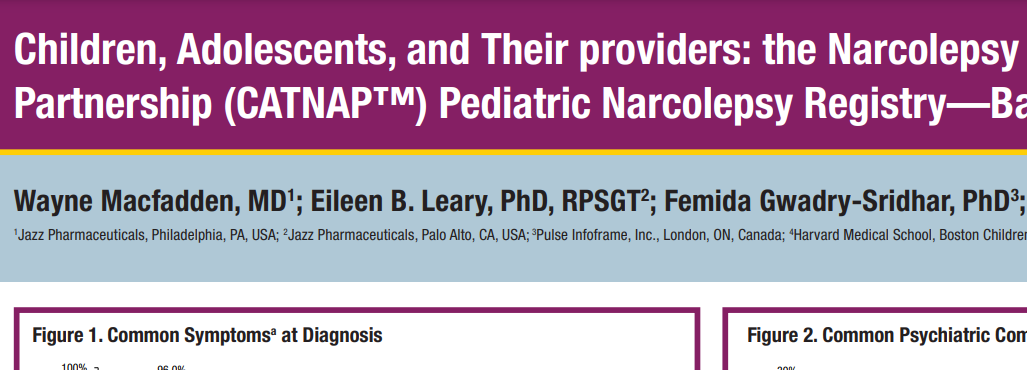
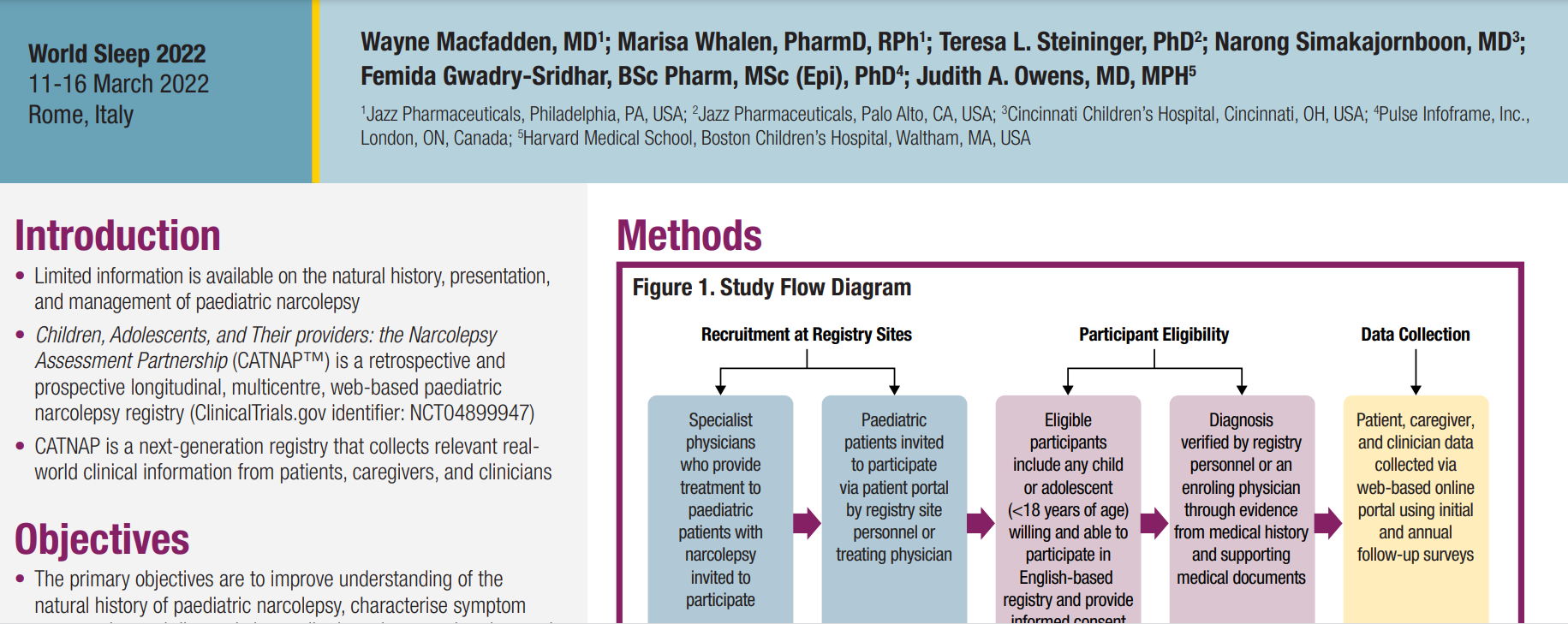
Findings From Pediatric Narcolepsy Studies
CATNAP® in the Press
Parents of Children with Narcolepsy Invited to Participate in Registry
Remote Participation Model Allows People to Enroll from Almost Anywhere in the World August 8th 2022, London, Ontario, Canada—Children with pediatric... read more →
August 8, 2022

Children, Adolescents and Their providers: the Narcolepsy Assessment Partnership (CATNAP)™
Narcolepsy is a sleep disorder whereby the body cannot properly regulate sleep and alertness. Common characteristics include excessive sleepiness, hallucinations,... read more →
January 13, 2021